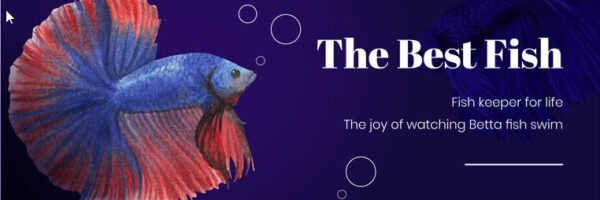
If you are a betta fish owner, then you know how important it is to provide your fish with the right food for optimal health. Betta fish are known for their vibrant colors and active personalities, and their diet plays a crucial role in maintaining their health and vitality. In this blog post, we’ll explore the best foods to feed your betta fish for optimal health. We’ll cover the types of food that bettas need to stay healthy and happy, as well as how much to feed them and when. We’ll also discuss some common mistakes that betta owners make when it comes to feeding their fish and provide some tips for avoiding these errors. By the end of this post, you should feel confident in your ability to provide your betta with a nutritious and balanced diet that will help them thrive.
Understanding Betta Fish Diet
- What Do Betta Fish Eat in the Wild?
In the wild, betta fish are carnivorous and feed on small insects, crustaceans, and other small aquatic creatures. Their natural diet is high in protein and is essential for maintaining their health and vitality.
- How Often Should You Feed Your Betta Fish?
As a general rule, you should feed your betta fish once or twice a day. Overfeeding can lead to health problems such as obesity and constipation, so it’s important to be mindful of how much you are feeding your fish.
- What Nutrients Do Betta Fish Need?
Betta fish require a balanced diet that is rich in protein, fats, and other essential nutrients. They also need vitamins and minerals to maintain their overall health and well-being.
Types of Betta Fish Food
- Pellets
Pellets are a popular choice for betta fish owners because they are easy to store and use. They come in a variety of sizes and formulations and provide a balanced diet for your fish.
- Flakes
Flake foods are a convenient option for betta fish owners, but they can be less nutritious than other types of food. They are also prone to causing bloating and other digestive issues if overfed.
- Frozen Foods
Frozen foods such as bloodworms and brine shrimp are a great source of protein for betta fish. However, they require more preparation and storage space than other types of food.
- Live Foods
Live foods such as daphnia and mosquito larvae are a natural and nutritious option for betta fish. However, they can be difficult to obtain and may carry parasites or other pathogens that can harm your fish.
Feeding Your Betta Fish
- How to Feed Your Betta Fish?
When feeding your betta fish, it’s important to be gentle and avoid overfeeding. Use a small amount of food and place it in the water near your fish. Allow your fish to eat for a few minutes and then remove any uneaten food.
- How Much to Feed Your Betta Fish?
The amount of food you should feed your betta fish depends on their size and activity level. As a general rule, you should feed your fish a small amount of food once or twice a day. Avoid overfeeding, as this can lead to health problems such as bloating and constipation.
- What to Do If Your Betta Fish Is Not Eating?
If your betta fish is not eating, it may be a sign of illness or stress. Check your water parameters and make sure that your fish is in a clean and healthy environment. You may also want to try offering a different type of food to see if your fish is more interested.
Conclusion
Feeding your betta fish a nutritious and balanced diet is essential for their health and well-being. By understanding the types of food your fish needs and how to feed them properly, you can ensure that your betta lives a long and healthy life. Remember to be mindful of how much you are feeding your fish and to avoid overfeeding. With the right diet and care, your betta fish can thrive and bring you joy for years to come.